Small Bathroom Ideas: Clever Space-Saving Design
Smart small bathroom ideas to maximize space, storage, and style.
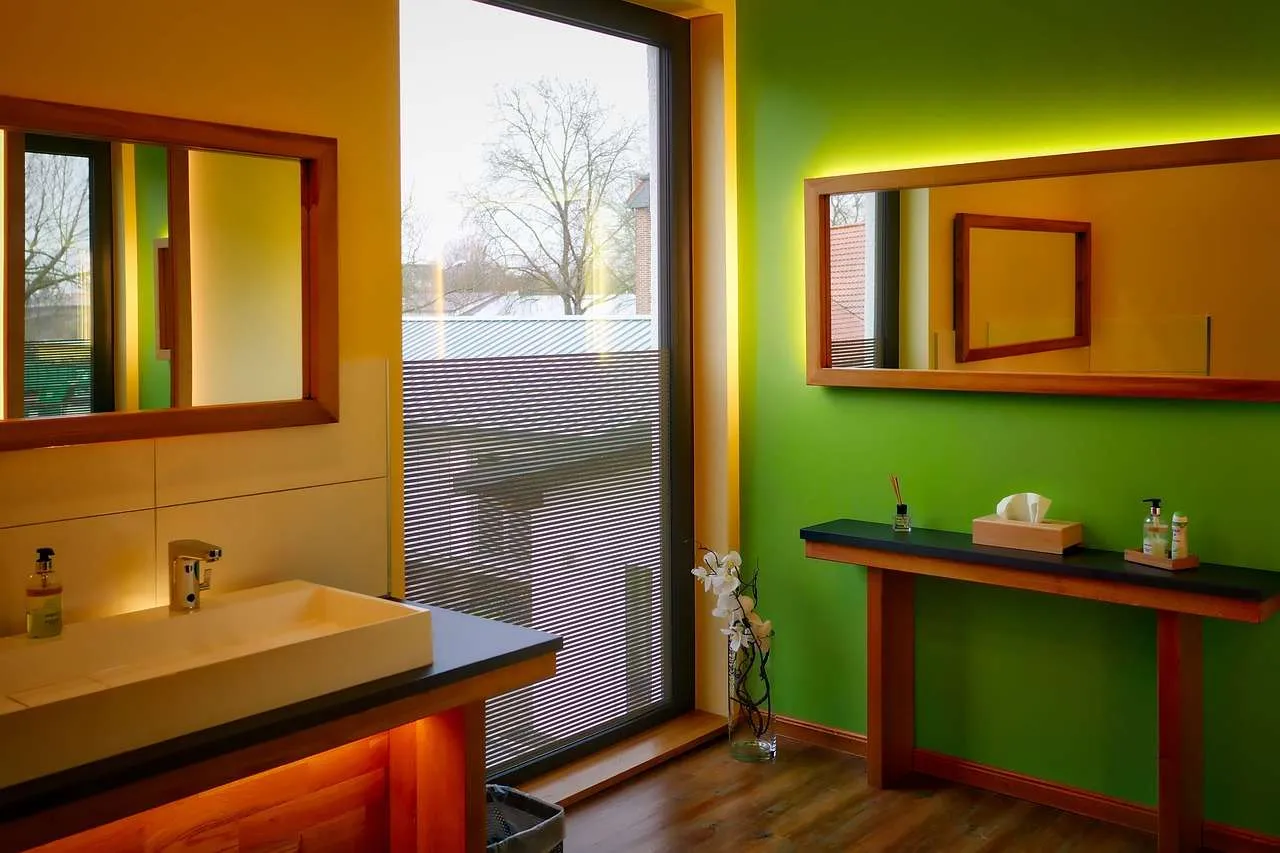
Designing a small bathroom presents challenges, but with purposefully chosen ideas you can create a space that feels larger and more functional. This article shares practical small bathroom ideas rooted in layout, color, storage, fixtures, and lighting that can transform cramped spaces into comfortable, stylish retreats. The guidance reflects established design principles and maintenance tips to ensure enduring results, backed by industry best practices and professional insights.
Layout and Space Planning
Efficient layout is the foundation of a successful small bathroom. Start by measuring the room and noting door swings, sink width, and shower or tub dimensions. A compact footprint benefits from maximizing clearances: aim for at least 24 inches of free width in front of the toilet and 30 inches of turnaround space when possible. If the door currently swings into the room, consider a pocket door or a barn-style door to reclaim precious floor area for storage or legroom.
Doors and Entry Options
Pocket or sliding doors are a simple upgrade with a big payoff. They eliminate the door arc that eats into usable space, allowing you to place a vanity or shelving immediately adjacent to the entry without obstruction. If structural changes are not feasible, a narrow swing door with a recessed handle can still improve flow and accessibility.
Vertical Space and Niches
In small baths, vertical surfaces become valuable real estate. Install tall, slim cabinetry or recessed niches in the shower for toiletries. Floating vanities with open space beneath can visually enlarge the floor area and provide a place for baskets or bins. Wall-mounted fixtures—sinks, faucets, and toilets—reduce visual bulk and create the impression of more space.
Color, Surfaces, and Visual Tricks
Color and material choices influence perceived size. Lighter, cooler tones such as whites, creams, pale blues, and soft grays reflect light and create a calm, airy vibe. Use large-format tiles or continuous flooring to minimize grout lines, which can visually break up a small space. A strategic mirror plan amplifies light and depth—consider a full-width mirror above the vanity or a mirrored shower panel to bounce daylight around the room.
Mirrors and Glass
Glass shower enclosures read as less dense than opaque walls, especially when paired with bright lighting. A frameless glass door or enclosure reduces visual barriers, making the bathroom appear larger. If glass is not feasible, a tall mirror with a slim frame can achieve a similar effect without overwhelming the room.
Tiles, Grout, and Continuity
Prefer neutral, water-resistant tiles in large formats. A single tile throughout the room creates a seamless look that visually expands the space. Choose grout with a color close to the tile to reduce line contrast, which keeps the eye moving and the space calm.
Storage Solutions and Fixtures
Smart storage keeps small bathrooms clutter-free. Favor wall-mounted or floating vanities with shallow depths and built-in storage. Recessed medicine cabinets, corner shelves, or niches in the shower stall maximize space without intruding on floor area. If possible, use a compact toilet with a skirted or wall-hung design to simplify cleaning and improve airflow perception.
Fixtures that Save Space
Choose a wall-mounted sink or a compact pedestal with a recessed shelf. A concealed cistern toilet with a wall-hung tank reduces bulk and makes cleaning easier. In showers, a non-slip tray with a frameless curtain or glass panel can be both functional and visually light.
Shelving, Cabinets, and Niches
Install recessed shelves in the shower and above the toilet for toiletries, towels, and essentials. Use slim, modular cabinetry with deep drawers that pull out fully for organized storage. Clear containers, labeled baskets, and a daily-use tray help maintain order without visual clutter.
Lighting and Ventilation
Layered lighting improves mood, safety, and practicality in small baths. A combination of ambient ceiling light, vanity lighting, and accent LEDs under cabinets or around mirrors creates depth and reduces shadows. Natural light is powerful where possible—if a window exists, use a sheer shade to maximize daylight while preserving privacy. Adequate ventilation prevents moisture buildup and mold growth, protecting both the space and your investment.
Layered Lighting
Combine a central ceiling fixture with at least one vertical vanity light and optional strip lighting for ambience. In tight spaces, warm-white LEDs (2700–3000K) are flattering to finishes and skin tone and help avoid a clinical look.
Ventilation and Moisture Control
Install a rated exhaust fan near the shower or tub. If possible, pair the fan with a humidistatic timer to run after showers, reducing moisture-related damage and mold risk. Regular maintenance—cleaning vents and checking seals—extends the life of fixtures and finishes.
Budget-Friendly Upgrades and Maintenance
Small updates often deliver the biggest impact. Fresh paint, new hardware, and updated mirrors can refresh a space without a full remodel. Use moisture-resistant paint or tile paint in areas that are prone to splashes. Replace old fixtures with water-efficient models to save on bills and improve performance over time.
DIY Upgrades
Caulking gaps, regrouting tiles, and sealing around the sink and tub are cost-effective ways to improve appearance and prevent leaks. Consider swapping cabinet pulls, towel bars, and light fixtures for a cohesive, modern look. If you plan major plumbing changes, consult a licensed professional to ensure code compliance and proper installation.
Maintenance and Longevity
Regular inspections of seals, caulk, and grout prevent water intrusion and damage. Keep ventilation paths clear and wipe surfaces to reduce mineral buildup. Documenting upgrades with receipts and photos supports long-term value and EEAT credibility for homeowners and professionals alike.
Comparison and Practical Summary
| Strategy | Key Benefit | Real-Life Example | Typical Cost |
|---|---|---|---|
| Pocket or sliding door | Increases usable floor space and flow | Replace hinged door with pocket door in a 5x7 bath | Low to moderate |
| Floating vanity with recessed storage | Perceived space and organized essentials | 8–12 inch deep vanity with internal drawers | Moderate |
| Large mirrors and glass enclosure | Larger feel, more light | Full-width mirror over vanity; frameless glass shower | Moderate |
| Recessed niches and shelves | Efficient storage without clutter | Shower niche for shampoo; corner shelf for towels | Low to moderate |
| Monochrome, large-format tiles | Less grout, cleaner look | White large-format tiles across walls and floor | Moderate |
Summary: These small bathroom ideas focus on layout optimization, light, storage, and durable finishes to maximize space without sacrificing comfort or style. By planning carefully, selecting compact fixtures, and maintaining moisture control, you can achieve a polished, functional bathroom that feels bigger than its measurements.
Conclusion, smart small bathroom ideas combine thoughtful layout, layered lighting, and clever storage to create an inviting, efficient space. Start with a plan, invest in key fixtures, and maintain moisture control for lasting results.